How to Measure Your Dog's Collar Size
A collar that is too tight chafes and can choke; one that is too loose slides off at the worst moment. The fix takes five minutes: one tape measurement, two added inches, and the two-finger test.
Collar size is a neck measurement plus breathing room — not a guess, and not the size of the last collar. Dogs change shape with growth, weight, and even coat season, so measure fresh each time you buy.
Step 1: Measure the neck
- Stand the dog up and have a helper hold a treat at nose height.
- Find the collar spot: the base of the neck, just above the shoulders and a few inches below the jawline — not on the throat.
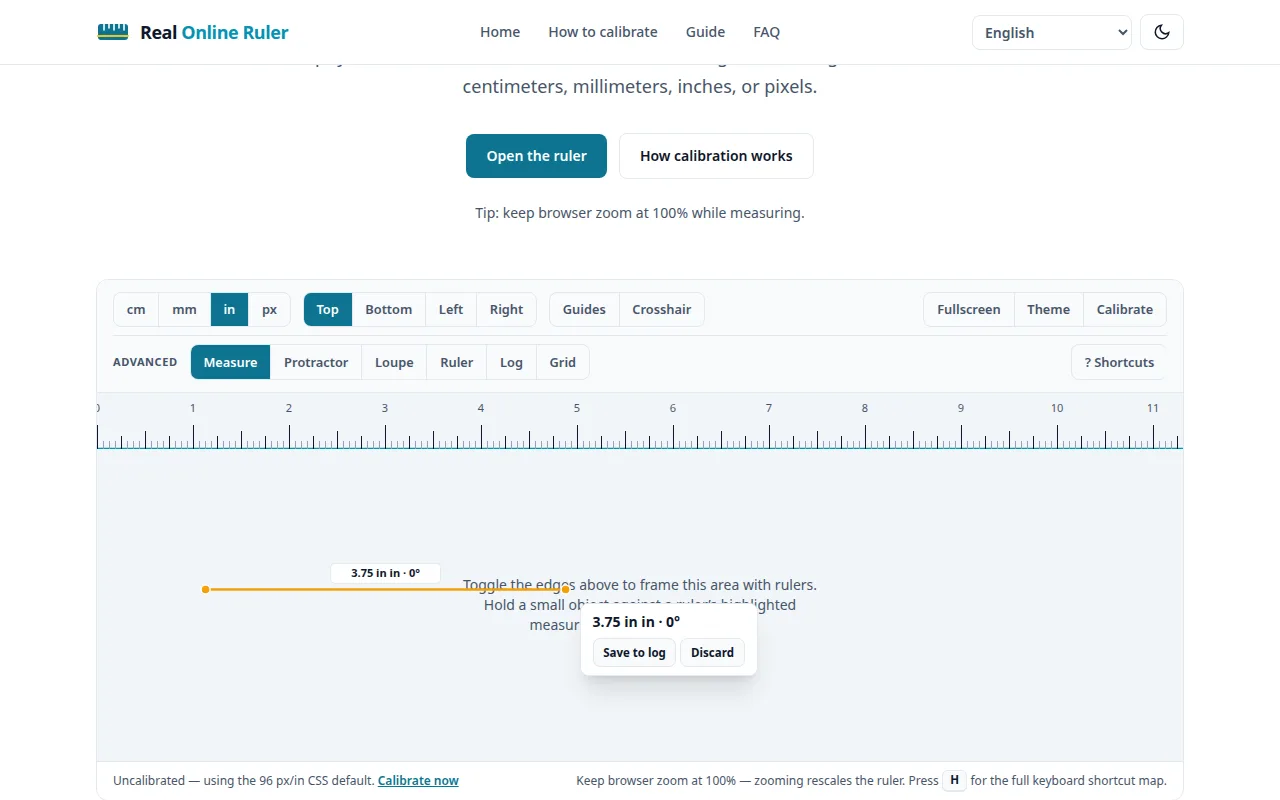
- Wrap a soft tape snug, not tight — touching the fur without pressing in. Note it to the nearest half inch.
- Add 2 inches for most dogs (1 inch for small breeds, 2–3 for large). Thick coats: measure over the full coat and add a touch more.
Step 2: Pick the right size bracket
Flat buckle collars typically bracket as S 8–12, M 12–18, L 18–26, and XL 24–34 inches — but every brand charts differently, so always check the maker’s own guide. Choose the bracket where your number sits near the middle of the adjustment range, not at either extreme: centered buckles adjust cleanly in both directions, and excess strap on an oversized collar can snag.
Step 3: The two-finger rule
- Fasten at midneck, clear of the throat.
- Slide two flat fingers under the collar at the snuggest point. Light resistance on both = correct. Forcing them = too tight; no resistance = too loose.
- Slip test: pull gently upward from the back — it must not pass over the ears.
- Movement check: walk, trot, shake, head-turns. No free spinning, no skin bunching, no sliding toward the shoulders.
Puppies, thick coats, and escape artists
Puppies can gain a fifth of their adult neck size in a few months — recheck the fit monthly and buy for now, not for "growing into." Measure thick-coated breeds over the full coat. For dogs that back out of flat collars, a martingale (limited-slip) collar is the safer pick; for brachycephalic breeds or dogs with trachea issues, a harness beats any collar for walks. And just as with measuring a neck for a chain, the tape position — base of the neck, not the throat — is what makes the number honest.
Try it on your screen right now
The live ruler is on the home page — calibrated to your display in under a minute.
Open the ruler